
 Español
 Portugues
 Pусский
 Français
 العربية
Different motor tricycle engines
Different Types of Motor Tricycle Engines Motor tricycles, commonly used for transportation and cargo hauling in many regions, rely on various types of engines to meet different performance, efficiency, and durability requirements. The choice of engine significantly impacts the tricycle’s power, fuel economy, and maintenance needs. Below are the most common types of engines used in motor tricycles: 1. Two-Stroke Engines Two-stroke engines are lightweight, simple in design, and cost-effective. They complete a power cycle in just two strokes (up and down movements of the piston), making them more compact and capable of higher power output relative to their size. However, they are less fuel-efficient and produce higher emissions due to incomplete combustion. These engines are often air-cooled and require a mix of oil and gasoline for lubrication. While they are less common in modern tricycles due to environmental regulations, they are still used in some budget-friendly or older models. 2. Four-Stroke Engines Four-stroke engines are more advanced and widely used in motor tricycles today. They operate in four stages (intake, compression, power, and exhaust), leading to better fuel efficiency and lower emissions compared to two-stroke engines. These engines are typically air-cooled or liquid-cooled, with the latter offering better temperature regulation for prolonged use. Four-stroke engines are more durable and require less frequent maintenance, making them ideal for commercial tricycles used for long hours. 3. Diesel Engines Diesel-powered tricycles are less common but valued for their high torque and fuel efficiency, especially in cargo applications. Diesel engines use compression ignition, which provides better mileage and longevity compared to gasoline engines. However, they are heavier, noisier, and produce more vibrations, which may affect ride comfort. Diesel tricycles are popular in rural areas where fuel costs and hauling capacity are priorities. 4. Electric Motors With growing environmental concerns, electric motor tricycles are gaining popularity. These tricycles use rechargeable batteries to power electric motors, offering zero emissions, quiet operation, and low maintenance. While they have limited range compared to fuel-powered engines, advancements in battery technology are improving their practicality. Electric tricycles are ideal for urban use, where short-distance travel and eco-friendliness are key considerations. Conclusion The choice of engine for a motor tricycle depends on factors like intended use, fuel availability, cost, and environmental impact. Two-stroke engines are fading due to pollution concerns, while four-stroke gasoline engines remain dominant for their balance of power and efficiency. Diesel engines suit heavy-duty applications, and electric motors represent the future of sustainable transport. Understanding these differences helps buyers select the best tricycle for their needs.
Products
Category:
-
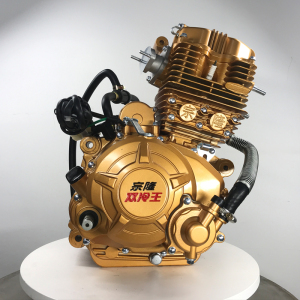
200CC Different motor tricycle engines
Category: Gasoline EngineBrowse number: 128Number:Release time: 2025-10-21 11:05:04$214.51 ≥20 Piece/Pieces
News
Category:
No search results found!
Case
Category:
No search results found!
Video
Category:
No search results found!
Download
Category:
No search results found!
Job
Category:
No search results found!
Featured Products
No search results found!



 Phone: