
 Español
 Portugues
 Pусский
 Français
 العربية
Electric engines
Electric Engines: Powering the Future Electric engines, also known as electric motors, are devices that convert electrical energy into mechanical energy. Unlike internal combustion engines (ICEs), which rely on burning fossil fuels, electric engines operate using electromagnetic principles, making them cleaner, more efficient, and increasingly vital in modern technology. How Electric Engines Work Electric engines function based on the interaction between magnetic fields and electric currents. When an electric current passes through a coil within a magnetic field, it generates a force that causes the motor’s rotor to spin. This rotational motion is then used to power various applications, from household appliances to electric vehicles (EVs). There are several types of electric engines, including: - DC Motors: Use direct current and are common in small devices like toys and power tools. - AC Motors: Operate on alternating current and are widely used in industrial machinery and household appliances. - Brushless Motors: More efficient and durable, often found in high-performance applications like drones and EVs. Advantages Over Combustion Engines Electric engines offer numerous benefits: 1. Efficiency: They convert over 90% of electrical energy into motion, whereas ICEs waste most energy as heat. 2. Zero Emissions: They produce no tailpipe pollutants, reducing air pollution and greenhouse gases. 3. Lower Maintenance: Fewer moving parts mean less wear and tear, reducing repair costs. 4. Quiet Operation: Electric engines run much quieter than combustion engines. 5. Instant Torque: They deliver maximum torque immediately, providing quick acceleration. Applications Electric engines are used in: - Transportation: EVs, trains, and electric bikes. - Industry: Conveyor belts, pumps, and robotics. - Consumer Electronics: Fans, washing machines, and refrigerators. Challenges and Future Outlook Despite their advantages, electric engines face challenges like battery limitations (range and charging time) and reliance on electricity generation methods (e.g., fossil fuels in some regions). However, advancements in battery technology, renewable energy, and motor efficiency are driving rapid adoption. As the world shifts toward sustainability, electric engines will play a central role in reducing carbon footprints and revolutionizing transportation, industry, and daily life. Their continued development promises a cleaner, more efficient future.
Products
Category:
-
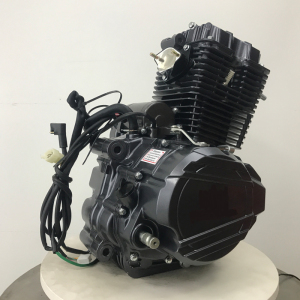
Diversified Tricycle Motorcycle engines
Category: Gasoline EngineBrowse number: 130Number:Release time: 2025-10-21 11:12:13$179.25 ≥20 Piece/Pieces
News
Category:
No search results found!
Case
Category:
No search results found!
Video
Category:
No search results found!
Download
Category:
No search results found!
Job
Category:
No search results found!
Featured Products
No search results found!



 Phone: