
 Español
 Portugues
 Pусский
 Français
 العربية
engine of a three wheeled motorcycle
The Engine of a Three-Wheeled Motorcycle The engine is the heart of any three-wheeled motorcycle, providing the power and performance needed for stability, efficiency, and versatility. Unlike traditional two-wheeled motorcycles, three-wheeled models—often called trikes—require an engine that balances torque, durability, and smooth power delivery to accommodate the extra weight and unique handling characteristics. Engine Types and Configurations Three-wheeled motorcycles typically use one of three engine types: 1. Single-Cylinder Engines – Common in smaller, lightweight trikes, these engines offer simplicity, fuel efficiency, and ease of maintenance. They are ideal for urban commuting but may lack power for highway speeds or heavy loads. 2. Twin-Cylinder Engines – These provide a better balance of power and smoothness, making them suitable for mid-sized trikes. V-twin and parallel-twin configurations are popular, delivering strong low-end torque for acceleration and hill-climbing. 3. Multi-Cylinder Engines – Larger trikes, especially those designed for touring or high-performance use, may feature inline-four or even six-cylinder engines. These offer superior horsepower and refined power delivery, ensuring comfortable long-distance riding. Key Engine Features - Torque-Oriented Tuning – Since trikes are heavier than two-wheelers, their engines are often tuned for higher torque at lower RPMs, improving acceleration and load-carrying capability. - Liquid or Air Cooling – Many modern trike engines use liquid cooling for consistent performance, while some simpler models rely on air cooling for reduced complexity. - Fuel Injection – Most contemporary trikes use electronic fuel injection (EFI) for better fuel efficiency, throttle response, and emissions compliance compared to carbureted systems. - Transmission Options – Engines are typically paired with manual or automatic transmissions, with some models featuring reverse gear—a useful feature given the trike’s weight and parking challenges. Performance Considerations A well-designed trike engine must account for: - Weight Distribution – The extra wheel and often larger frame require an engine that can handle increased stress without overheating or excessive vibration. - Fuel Efficiency – Many riders choose trikes for touring, so engines must balance power with reasonable fuel consumption. - Reliability – Longevity is crucial, as trikes are often used for extended trips or daily commuting. Conclusion The engine of a three-wheeled motorcycle must be robust, responsive, and adaptable to different riding conditions. Whether it’s a compact single-cylinder for city use or a powerful multi-cylinder for touring, the right engine ensures a smooth, enjoyable ride while meeting the unique demands of a three-wheeled design. Advances in engine technology continue to improve performance, efficiency, and rider comfort, making modern trikes a compelling choice for a wide range of motorcyclists.
Products
Category:
-
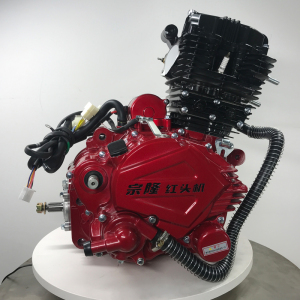
200CC CENTER WATER COOLED ENGINE FOR MOTORCYCLE
Category: Gasoline EngineBrowse number: 130Number:Release time: 2025-10-21 11:22:41$235.27 ≥20 Piece/Pieces
News
Category:
No search results found!
Case
Category:
No search results found!
Video
Category:
No search results found!
Download
Category:
No search results found!
Job
Category:
No search results found!
Featured Products
No search results found!



 Phone: