
 Español
 Portugues
 Pусский
 Français
 العربية
engine to drive a three wheeled motorcycle forward
Engine to Drive a Three-Wheeled Motorcycle Forward A three-wheeled motorcycle, also known as a trike, combines the agility of a traditional motorcycle with the stability of an additional wheel. The engine is the heart of this vehicle, responsible for delivering power, efficiency, and reliability. Several key factors must be considered when selecting or designing an engine for a trike, including power output, fuel efficiency, cooling mechanisms, and drivetrain compatibility. Engine Types and Configurations Most three-wheeled motorcycles use either a single-cylinder or multi-cylinder internal combustion engine (ICE). Single-cylinder engines are lightweight and fuel-efficient, making them suitable for smaller, urban trikes. However, for higher performance and smoother power delivery, twin-cylinder or even four-cylinder engines are preferred. These engines provide better torque and acceleration, which is beneficial for heavier trikes or those designed for long-distance touring. Alternatively, electric motors are gaining popularity due to their instant torque, quiet operation, and zero emissions. Electric trikes use battery-powered motors that can be either hub-mounted or connected to a traditional drivetrain. While electric engines eliminate the need for fuel, they require efficient battery management systems to maximize range. Power and Performance The engine must generate sufficient power to propel the trike while accounting for its additional weight compared to a two-wheeled motorcycle. A typical trike engine ranges from 300cc to 1800cc, depending on the intended use. Smaller engines (300cc–600cc) are ideal for city commuting, while larger engines (1000cc+) are better suited for highway cruising or cargo-carrying trikes. Torque is particularly important for trikes because they often carry passengers or cargo. Engines with strong low-end torque, such as V-twins or parallel twins, provide better acceleration and climbing ability without excessive gear shifting. Cooling and Reliability Air-cooled engines are simple and lightweight but may struggle with overheating in stop-and-go traffic. Liquid-cooled engines offer better temperature regulation, making them more reliable for extended rides. Additionally, modern engines often include fuel injection systems for smoother throttle response and improved fuel economy compared to carbureted models. Drivetrain and Transmission Most trikes use a chain, belt, or shaft drive system. Chain drives are lightweight and easy to maintain but require regular lubrication. Belt drives are quieter and cleaner but may wear out faster under heavy loads. Shaft drives, commonly found in touring trikes, are durable and low-maintenance but add weight. The transmission is typically manual or automatic, with some trikes featuring reverse gear—a useful feature given the vehicle’s weight and handling characteristics. Conclusion The ideal engine for a three-wheeled motorcycle balances power, efficiency, and durability. Whether using a traditional combustion engine or an electric motor, the design must prioritize smooth power delivery, cooling efficiency, and drivetrain compatibility to ensure a stable and enjoyable ride. As technology advances, hybrid and fully electric trikes may become more prevalent, offering eco-friendly alternatives without sacrificing performance.
Products
Category:
-
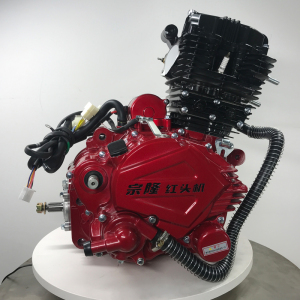
200CC CENTER WATER COOLED ENGINE FOR MOTORCYCLE
Category: Gasoline EngineBrowse number: 130Number:Release time: 2025-10-21 11:22:41$235.27 ≥20 Piece/Pieces
News
Category:
No search results found!
Case
Category:
No search results found!
Video
Category:
No search results found!
Download
Category:
No search results found!
Job
Category:
No search results found!
Featured Products
No search results found!



 Phone: