
 Español
 Portugues
 Pусский
 Français
 العربية
Fuel powered tricycle engine
Fuel-Powered Tricycle Engine: An Overview A fuel-powered tricycle engine is a compact internal combustion engine designed to provide reliable and efficient propulsion for three-wheeled vehicles. These engines are commonly used in passenger and cargo tricycles, particularly in urban and rural areas where affordability, durability, and ease of maintenance are essential. Engine Specifications and Design Most fuel-powered tricycle engines are single-cylinder, air-cooled, and operate on gasoline or diesel. They typically range from 100cc to 200cc in displacement, delivering sufficient power for light to moderate loads while maintaining fuel efficiency. The engines are often mounted at the rear of the tricycle, directly driving the rear wheels through a chain or belt transmission system. Key components include: - Cylinder and Piston: A simple yet robust design ensures smooth combustion and durability. - Carburetor/Fuel Injection System: Regulates the air-fuel mixture for optimal performance. - Cooling System: Air-cooling is preferred for its simplicity and low maintenance. - Exhaust System: Minimizes emissions and noise while ensuring efficient exhaust flow. Performance and Efficiency Fuel-powered tricycle engines are designed for low-speed, high-torque applications, making them ideal for stop-and-go urban traffic. Their fuel consumption is relatively economical, averaging around 30-50 km per liter, depending on load and road conditions. The engines are tuned for reliability rather than high speed, with most tricycles reaching a maximum speed of 50-60 km/h. Maintenance and Durability One of the biggest advantages of these engines is their simplicity, allowing for easy repairs with basic tools. Regular maintenance includes oil changes, spark plug replacement, and air filter cleaning. Their rugged construction ensures longevity even in harsh operating conditions. Environmental Impact While fuel-powered tricycle engines are cost-effective, they contribute to air pollution due to emissions. Many regions are transitioning to electric alternatives to reduce environmental impact. However, fuel engines remain popular due to their affordability and widespread availability of spare parts. Conclusion Fuel-powered tricycle engines provide a practical and economical solution for personal and commercial transport in developing regions. Their simple design, fuel efficiency, and durability make them a preferred choice, though environmental concerns are driving gradual shifts toward cleaner alternatives.
Products
Category:
-
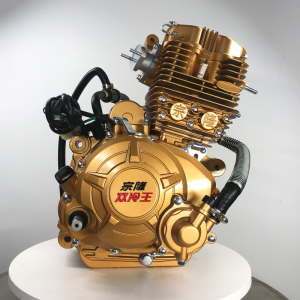
Fuel powered tricycle engine
Category: Gasoline EngineBrowse number: 127Number:Release time: 2025-10-21 11:07:52$255.09 ≥20 Piece/Pieces
News
Category:
No search results found!
Case
Category:
No search results found!
Video
Category:
No search results found!
Download
Category:
No search results found!
Job
Category:
No search results found!
Featured Products
No search results found!



 Phone: