
 Español
 Portugues
 Pусский
 Français
 العربية
fuel vehicle
Fuel Vehicles: An Overview Fuel vehicles, commonly referred to as internal combustion engine (ICE) vehicles, have been the dominant mode of transportation for over a century. These vehicles rely on fossil fuels—primarily gasoline or diesel—to power their engines, converting chemical energy into mechanical energy to propel the vehicle. Despite the growing shift toward electric vehicles (EVs), fuel vehicles remain widely used due to their established infrastructure, affordability, and performance capabilities. How Fuel Vehicles Work Fuel vehicles operate through a four-stroke combustion cycle: intake, compression, power, and exhaust. During the intake stroke, the engine draws in a mixture of air and fuel. The compression stroke then pressurizes this mixture, which is ignited by a spark plug (in gasoline engines) or through compression (in diesel engines). The resulting explosion forces the piston downward, generating power. Finally, the exhaust stroke expels combustion byproducts. This process repeats continuously, providing the energy needed to move the vehicle. Advantages of Fuel Vehicles 1. Widespread Infrastructure – Gas stations are ubiquitous, making refueling quick and convenient compared to the still-developing EV charging network. 2. Long Driving Range – Fuel vehicles can travel long distances on a single tank, with many models offering 300–500 miles per fill-up. 3. Performance & Power – ICE vehicles often deliver high torque and horsepower, making them suitable for heavy-duty applications like towing and off-roading. 4. Lower Upfront Cost – Generally, fuel vehicles are cheaper to purchase than comparable electric models, though operating costs may be higher over time. Disadvantages of Fuel Vehicles 1. Environmental Impact – Burning fossil fuels releases carbon dioxide (CO₂) and other pollutants, contributing to climate change and air pollution. 2. Fuel Price Volatility – Gasoline and diesel prices fluctuate based on geopolitical and economic factors, leading to unpredictable expenses. 3. Maintenance Requirements – ICE vehicles have more moving parts than EVs, requiring regular oil changes, transmission servicing, and exhaust system maintenance. 4. Declining Resale Value – As governments push for electrification, demand for fuel vehicles may decrease, affecting their long-term value. Future Outlook While fuel vehicles continue to dominate global markets, stricter emissions regulations and advancements in EV technology are gradually reducing their market share. However, they remain a practical choice for many consumers, particularly in regions with limited EV infrastructure. Hybrid vehicles, which combine ICE and electric powertrains, offer a transitional solution, balancing efficiency with convenience. In conclusion, fuel vehicles have played a pivotal role in modern transportation but face increasing challenges from environmental concerns and technological shifts. Their future will depend on innovations in alternative fuels (e.g., hydrogen, biofuels) and the pace of EV adoption. For now, they remain a reliable and familiar option for drivers worldwide.
Products
Category:
-
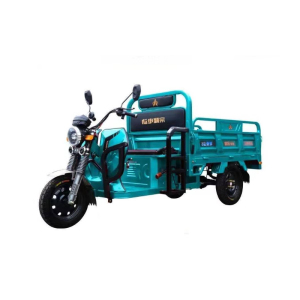
60V/72V-1800W Environmentally friendly electric tricycle
Category: Electric TricycleBrowse number: 149Number:Release time: 2025-10-20 17:03:47$649.46 ≥54 Piece/Pieces
News
Category:
No search results found!
Case
Category:
No search results found!
Video
Category:
No search results found!
Download
Category:
No search results found!
Job
Category:
No search results found!
Featured Products
No search results found!



 Phone: