
 Español
 Portugues
 Pусский
 Français
 العربية
Heavy electric vehicles
Heavy Electric Vehicles: The Future of Sustainable Transport Heavy electric vehicles (HEVs) are transforming the transportation and logistics industries by offering a cleaner, more efficient alternative to traditional diesel-powered trucks, buses, and construction equipment. These vehicles, which include electric trucks, buses, and heavy-duty machinery, are designed to reduce greenhouse gas emissions, lower operating costs, and improve energy efficiency while maintaining the performance required for demanding applications. Environmental Benefits One of the most significant advantages of heavy electric vehicles is their contribution to reducing carbon emissions. Unlike diesel engines, which release harmful pollutants such as nitrogen oxides (NOx) and particulate matter, HEVs produce zero tailpipe emissions. This makes them particularly valuable in urban areas, where air quality is a major concern. Additionally, as electricity grids transition to renewable energy sources like wind and solar, the carbon footprint of HEVs will continue to decrease, making them an essential part of global decarbonization efforts. Economic Advantages While the upfront cost of heavy electric vehicles is often higher than that of conventional diesel vehicles, their total cost of ownership (TCO) is increasingly competitive. HEVs have fewer moving parts, reducing maintenance expenses related to engine wear, oil changes, and exhaust system repairs. Moreover, electricity is generally cheaper than diesel fuel, leading to substantial savings over the vehicle’s lifetime. Governments and organizations worldwide are also offering incentives such as tax credits, subsidies, and grants to accelerate the adoption of electric heavy-duty vehicles. Performance and Technology Modern HEVs are equipped with advanced battery systems, high-efficiency electric motors, and regenerative braking, which recovers energy during deceleration. These innovations ensure that electric trucks and buses can match or even exceed the performance of their diesel counterparts in terms of torque, acceleration, and load capacity. Battery technology continues to improve, with newer models offering longer ranges and faster charging times, addressing concerns about operational downtime. Challenges and Future Outlook Despite their benefits, HEVs face challenges such as high battery costs, limited charging infrastructure for long-haul transport, and the need for grid upgrades to support large-scale electrification. However, ongoing advancements in battery chemistry, charging solutions, and vehicle design are rapidly overcoming these barriers. As industries and governments push for stricter emissions regulations, heavy electric vehicles are poised to become the standard in commercial and industrial transport. Their adoption will play a crucial role in achieving sustainability goals while ensuring reliable and cost-effective operations across logistics, construction, and public transit sectors. The future of heavy-duty transport is electric—and it’s arriving faster than ever.
Products
Category:
-
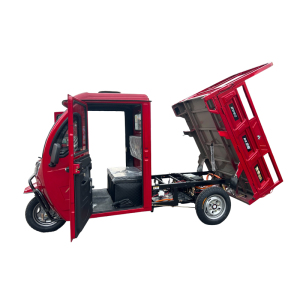
Heavy duty electric vehicles for environmental sanitation
Category: Electric Heavy-duty TricycleBrowse number: 148Number:Release time: 2025-10-20 17:45:06$900.00 ≥10 Piece/Pieces
News
Category:
No search results found!
Case
Category:
No search results found!
Video
Category:
No search results found!
Download
Category:
No search results found!
Job
Category:
No search results found!
Featured Products
No search results found!



 Phone: