
 Español
 Portugues
 Pусский
 Français
 العربية
heavy-duty electric vehicles
Heavy-Duty Electric Vehicles: The Future of Sustainable Transport Heavy-duty electric vehicles (HDEVs) represent a transformative shift in the transportation sector, offering a cleaner, more efficient alternative to traditional diesel-powered trucks, buses, and industrial vehicles. As global efforts to reduce greenhouse gas emissions intensify, HDEVs are gaining traction due to their potential to significantly lower carbon footprints while maintaining the performance required for demanding applications. Advantages of Heavy-Duty Electric Vehicles 1. Environmental Benefits Unlike conventional diesel engines, HDEVs produce zero tailpipe emissions, drastically reducing air pollutants such as nitrogen oxides (NOx) and particulate matter. This is particularly impactful in urban areas, where heavy-duty vehicles contribute disproportionately to pollution. Additionally, when powered by renewable energy sources, HDEVs can operate with near-zero lifecycle emissions, supporting broader climate goals. 2. Lower Operating Costs Electric drivetrains are inherently more efficient than internal combustion engines, converting a higher percentage of energy into motion. With fewer moving parts, HDEVs also require less maintenance, reducing downtime and repair expenses. Although upfront costs remain higher, declining battery prices and lower fuel expenses make HDEVs increasingly cost-competitive over their lifespan. 3. Performance and Reliability Modern HDEVs are designed to meet the rigorous demands of freight transport, construction, and public transit. Electric motors deliver instant torque, providing superior acceleration and climbing ability. Advances in battery technology have extended ranges to over 300 miles on a single charge, with fast-charging solutions minimizing downtime for long-haul operations. Challenges and Solutions 1. Battery Technology and Range While battery energy density has improved, weight and charging infrastructure remain hurdles. However, innovations like solid-state batteries and swappable battery systems could address these limitations. 2. Charging Infrastructure Deploying high-power charging networks is critical, especially for fleet operators. Megawatt-level chargers and smart grid integration will enable rapid refueling without overloading power systems. 3. Upfront Costs and Incentives Government subsidies, tax credits, and fleet electrification mandates are accelerating adoption by offsetting initial investments. Future Outlook As technology matures and regulations tighten, HDEVs are poised to dominate commercial transport. Their integration with autonomous driving and vehicle-to-grid (V2G) systems could further revolutionize logistics and energy management. With sustainability at the forefront, heavy-duty electric vehicles are not just an alternative—they are the future of freight and public mobility. In summary, HDEVs combine environmental stewardship with economic and operational advantages, making them a cornerstone of the transition to a cleaner transportation ecosystem.
Products
Category:
-
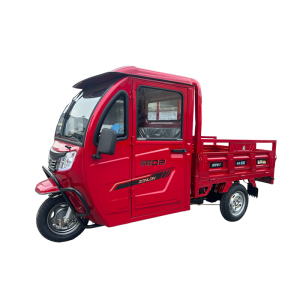
Green travel heavy-duty electric vehicles
Category: Electric Heavy-duty TricycleBrowse number: 150Number:Release time: 2025-10-20 17:40:26$800.00 ≥10 Piece/Pieces
News
Category:
No search results found!
Case
Category:
No search results found!
Video
Category:
No search results found!
Download
Category:
No search results found!
Job
Category:
No search results found!
Featured Products
No search results found!



 Phone: