
 Español
 Portugues
 Pусский
 Français
 العربية
Small motorcycle tricycle fuel tank
Small Motorcycle Tricycle Fuel Tank: Design and Functionality The fuel tank is a critical component of a small motorcycle tricycle, serving as the primary storage unit for gasoline or alternative fuels that power the engine. Designed to balance capacity, durability, and efficiency, these tanks are engineered to meet the specific needs of compact three-wheeled vehicles, which are commonly used for urban commuting, cargo transport, or personal mobility in various regions. Design and Construction Small motorcycle tricycle fuel tanks are typically made from high-quality steel, aluminum, or plastic composites, depending on cost, weight, and corrosion resistance requirements. Steel tanks are robust and resistant to impacts but may require anti-rust coatings, while aluminum variants offer a lighter alternative with good durability. Plastic tanks, often made from high-density polyethylene (HDPE), are lightweight, corrosion-proof, and increasingly popular due to their moldability into complex shapes. The tank’s shape is optimized to fit within the tricycle’s frame, usually positioned between the handlebars and the seat or beneath the cargo bed in utility models. Its capacity ranges from 5 to 15 liters, ensuring sufficient range for short to medium-distance travel without excessive weight. A well-designed tank includes baffles or internal partitions to minimize fuel sloshing, which can affect stability during sharp turns or sudden stops. Functional Features 1. Filler Neck and Cap – The tank features a securely threaded or locking fuel cap to prevent spills and evaporation. Some models include a breather valve to regulate air pressure and prevent vacuum formation. 2. Fuel Level Sensor – Many modern tanks integrate a float-based sensor or electronic gauge to provide real-time fuel level readings, alerting riders to refuel in time. 3. Fuel Outlet and Petcock – A petcock (fuel valve) at the base allows fuel flow control, often with reserve settings to utilize remaining fuel when the main supply runs low. 4. Ventilation System – Proper venting prevents pressure buildup and ensures smooth fuel delivery to the carburetor or fuel injection system. Safety and Maintenance Safety is paramount in fuel tank design. Robust seams, leak-proof welding, and impact-resistant materials reduce rupture risks in collisions. Regular inspections for rust (in metal tanks) or cracks (in plastic tanks) are essential. Ethanol-blended fuels may degrade certain materials over time, so manufacturers must select compatible linings. Conclusion The small motorcycle tricycle fuel tank exemplifies a blend of practicality and engineering precision. Its design prioritizes fuel efficiency, rider safety, and adaptability to diverse tricycle configurations. Whether for commercial or personal use, a well-maintained fuel tank ensures reliable performance, contributing to the vehicle’s longevity and operational efficiency.
Products
Category:
-
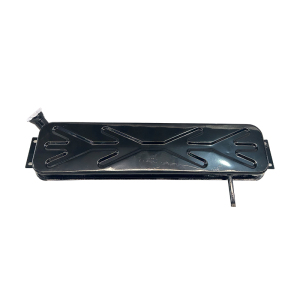
Small motorcycle tricycle fuel tank
Category: Gasoline EngineBrowse number: 150Number:Release time: 2025-10-21 11:48:54$50.00 ≥20 Piece/Pieces
News
Category:
No search results found!
Case
Category:
No search results found!
Video
Category:
No search results found!
Download
Category:
No search results found!
Job
Category:
No search results found!
Featured Products
No search results found!



 Phone: