
 Español
 Portugues
 Pусский
 Français
 العربية
Traditional gasoline engines
Traditional Gasoline Engines: An Overview Traditional gasoline engines, also known as spark-ignition engines, have been the cornerstone of automotive propulsion for over a century. These engines operate by burning a mixture of gasoline and air in a controlled combustion process, converting chemical energy into mechanical energy to power vehicles. Despite advancements in alternative powertrains, gasoline engines remain widely used due to their reliability, performance, and well-established infrastructure. Working Principle Gasoline engines function on the four-stroke cycle (Otto cycle), consisting of intake, compression, power, and exhaust strokes: 1. Intake Stroke: The piston moves downward, drawing in a mixture of air and fuel through the intake valve. 2. Compression Stroke: The piston moves upward, compressing the air-fuel mixture to increase its combustibility. 3. Power Stroke: A spark plug ignites the compressed mixture, causing a controlled explosion that forces the piston downward, generating power. 4. Exhaust Stroke: The piston moves upward again, expelling burnt gases through the exhaust valve. This cycle repeats continuously, with the engine’s crankshaft converting linear piston motion into rotational force that drives the wheels. Key Components - Cylinder Block: Houses the pistons and forms the engine’s main structure. - Pistons: Move within cylinders to compress the air-fuel mixture and transmit energy. - Spark Plugs: Provide the ignition source for combustion. - Valves (Intake & Exhaust): Regulate the flow of air-fuel mixture and exhaust gases. - Crankshaft: Converts piston motion into rotational power. - Fuel Injection System: Modern engines use electronic fuel injection (EFI) to optimize air-fuel mixing for efficiency and emissions control. Advantages - High Power-to-Weight Ratio: Gasoline engines deliver strong acceleration and performance. - Refinement: They operate smoothly with lower noise and vibration compared to diesel engines. - Widespread Fuel Availability: Gasoline is readily accessible in most regions. - Lower Initial Cost: Generally cheaper to manufacture than hybrid or electric powertrains. Challenges - Emissions: Combustion produces CO₂, NOx, and other pollutants, contributing to environmental concerns. - Fuel Efficiency: Less thermally efficient than diesel engines, leading to higher fuel consumption. - Dependence on Fossil Fuels: Reliance on gasoline contributes to resource depletion and geopolitical dependencies. Future Outlook While electric vehicles (EVs) are gaining traction, gasoline engines continue to evolve with technologies like turbocharging, direct injection, and hybridization to improve efficiency and reduce emissions. In the near term, they will coexist with alternative powertrains, especially in regions lacking EV infrastructure. In summary, traditional gasoline engines remain a dominant and adaptable technology, balancing performance, cost, and convenience despite growing environmental and regulatory pressures.
Products
Category:
-
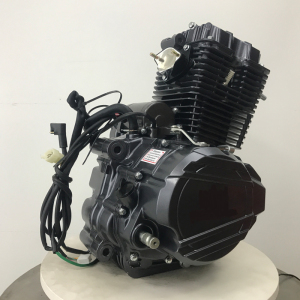
Diversified Tricycle Motorcycle engines
Category: Gasoline EngineBrowse number: 130Number:Release time: 2025-10-21 11:12:13$179.25 ≥20 Piece/Pieces
News
Category:
No search results found!
Case
Category:
No search results found!
Video
Category:
No search results found!
Download
Category:
No search results found!
Job
Category:
No search results found!
Featured Products
No search results found!



 Phone: