
 Español
 Portugues
 Pусский
 Français
 العربية
traditional two-wheelers
Traditional Two-Wheelers: A Timeless Mode of Transport Traditional two-wheelers, encompassing bicycles and early motorcycles, have long been a cornerstone of personal mobility worldwide. These vehicles are celebrated for their simplicity, efficiency, and adaptability, serving as both practical transportation and cultural icons. Bicycles: The Epitome of Simplicity The bicycle, invented in the 19th century, remains one of the most enduring and accessible forms of transport. Its design—comprising a frame, two wheels, pedals, and a chain drive—has remained largely unchanged for over a century. Bicycles are prized for their eco-friendliness, requiring no fuel and producing zero emissions. They promote physical health, reduce traffic congestion, and are affordable for people across economic backgrounds. In many developing nations, bicycles are indispensable for daily commutes, while in urban centers globally, they symbolize sustainable living. Traditional bicycles come in various forms, from rugged mountain bikes to sleek road models, each tailored to different terrains and needs. Their mechanical simplicity ensures easy maintenance, making them a reliable choice for millions. Early Motorcycles: The Birth of Motorized Two-Wheelers Before modern advancements, early motorcycles laid the foundation for motorized two-wheeler culture. These machines combined bicycle frames with compact internal combustion engines, offering greater speed and range than pedal-powered alternatives. Early models were rudimentary, often featuring single-cylinder engines, manual transmissions, and minimal safety features. Yet, they captured the public’s imagination, embodying freedom and adventure. Classic motorcycles are revered for their mechanical purity and nostalgic charm. Unlike contemporary models laden with electronics, traditional motorcycles emphasized rider skill and mechanical engagement. Their design prioritized durability and ease of repair, appealing to enthusiasts who value hands-on ownership. Cultural and Economic Impact Beyond functionality, traditional two-wheelers hold cultural significance. Bicycles symbolize resilience and independence, playing pivotal roles in social movements and women’s emancipation in the early 20th century. Motorcycles, meanwhile, became symbols of rebellion and counterculture, immortalized in films and literature. Economically, these vehicles empower communities by providing affordable transport for work, education, and commerce. In rural areas, they bridge gaps where public transport is scarce, while in cities, they offer agile alternatives to cars. Conclusion Traditional two-wheelers, whether pedal-powered or motorized, represent a blend of practicality, heritage, and sustainability. Their enduring popularity underscores their role in shaping mobility history and their continued relevance in an era of rapid technological change. As society evolves, these timeless machines remind us of the beauty of simplicity and the enduring human desire for freedom on two wheels.
Products
Category:
-
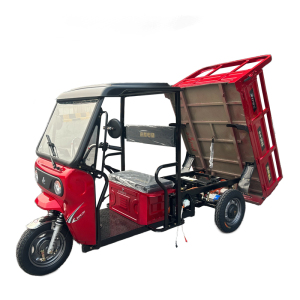
Red three wheel motorcycle design
Category: Electric TricycleBrowse number: 190Number:Release time: 2025-10-20 17:20:59$750.00 ≥40 Piece/Pieces
News
Category:
No search results found!
Case
Category:
No search results found!
Video
Category:
No search results found!
Download
Category:
No search results found!
Job
Category:
No search results found!
Featured Products
No search results found!



 Phone: